 CannaGLAP
Nitrogen Deficiency in Cannabis: Signs and Fixes
Your bottom leaves are turning pale yellow, one after another, and you are wondering if the plant is starving. Often it is a simple nitrogen shortage, and sometimes it is not a problem at all. Here is how to tell, and what to do about it.
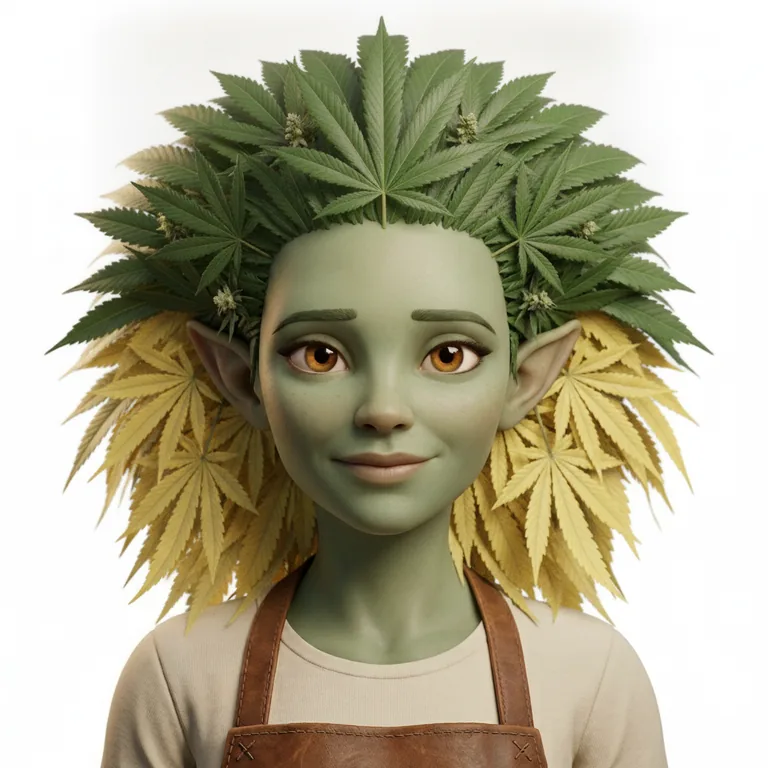
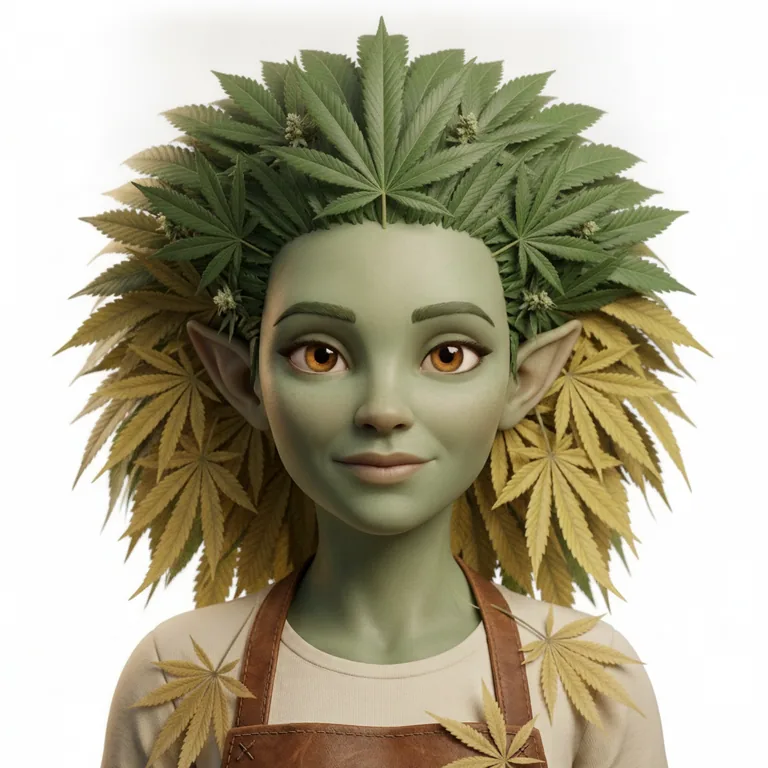
“My bottom leaves are fading to yellow, top to toe. Pass the nitrogen, please?”
Where it shows
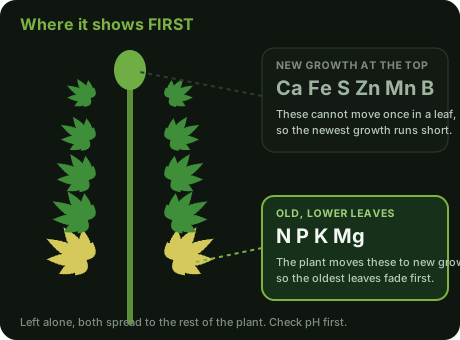
Oldest, lowest leaves first, working upward.
What it looks like
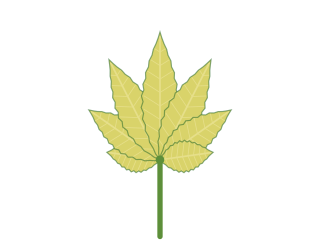
Whole leaves fade to an even pale yellow (veins included), then droop and drop. No pattern, no spots, just uniform fading.
How to confirm it
- Start at the bottom. The oldest, lowest leaves fade first and the yellowing climbs upward over days.
- The whole leaf goes an even pale yellow, veins included. There is no pattern and no spotting.
- Fully yellow leaves droop, then drop off with a light touch.
- New growth at the top usually stays green until the shortage is severe.
- Compare with the calendar. A gentle fade in the final weeks of flower is expected.
Why it happens
The plant is moving nitrogen out of its old leaves to build new ones. That is a normal process; it only reads as a problem when supply runs short. Late in flower a gentle version of this is expected and healthy.
- pH lockout. Nitrogen is in the pot but the roots cannot take it up. Soil should sit at 6.2 to 6.8, coco or hydro at 5.8 to 6.2.
- Feeding too lightly in veg, when the plant is building leaves fast.
- A spent soil mix. Bagged soils often run out of usable nitrogen after a few weeks.
- Cold or waterlogged roots that cannot work properly.
- The plant moving nitrogen into flowers late in bloom, which is normal.
How to fix it
- Check pH before adding anything. Most "deficiencies" are lockout, not shortage. Soil 6.2 to 6.8, coco or hydro 5.8 to 6.2.
- In veg, feed a fast nitrogen source: blood meal, fish hydrolysate, or a 3-1-2 liquid feed.
- In late flower, leave it alone. Fading leaves at week 8 are the plant relocating nitrogen into flower, which is what you want.
- Check the pH of your water going in and, if you can, the runoff. Correct it before adding any feed.
- In veg, give a fast nitrogen source: blood meal, fish hydrolysate, or a 3-1-2 style liquid feed at the label rate.
- Start at half the label rate and step up over the next feeds rather than dosing heavily at once.
- Watch the new growth over the next week. Leaves that are already fully yellow will not turn green again.
- In late flower, around week 8, leave a gentle fade alone. The plant is moving nitrogen into the flowers, which is what you want.
Organic options
Fish hydrolysate
A fast liquid nitrogen source for veg. Dilute to the label rate and water it in. It smells strong, so use it where odor is not a problem.
Blood meal
Fast acting for a dry amendment. Top dress a small amount and water in. Too much can burn, so measure, and keep it away from pets.
Alfalfa meal
A gentler, slower source that also feeds soil life. Mix into soil or top dress in veg. It is a long game, not a rescue.
Feather meal
Releases slowly over weeks to months. Best mixed into soil before planting or early in veg, not as a quick fix.
Worm castings
Mild and hard to overdo. Top dress an inch or brew into a tea to support steady feeding in veg.
Read and follow every product label. Organic friendly does not mean certified organic; check the listing if that matters to you.
Veg or flower?
In veg, nitrogen yellowing is a real shortage worth fixing quickly. In the last weeks of flower, a slow fade of the lower fan leaves is normal and adding nitrogen then can hurt the finish.
Don't confuse it with magnesium deficiency
Nitrogen yellows the veins too. Magnesium leaves the veins bright green, so the leaf looks like a green skeleton on yellow. Read the magnesium deficiency page.
Prevent it next time
- Keep pH in range from day one: 6.2 to 6.8 in soil, 5.8 to 6.2 in coco or hydro.
- Feed more nitrogen in veg and taper it as flowering begins.
- Plan to top dress or start liquid feeding once a bagged soil is a few weeks old.
- Log each feed and its pH so you can see a pattern before leaves start fading.
Questions growers ask
Should I worry about yellow leaves in late flower?
Usually not. In the final weeks the plant pulls nitrogen out of its fan leaves to finish the flowers. A gradual fade is healthy, while sudden yellowing in early flower is worth checking.
How fast does nitrogen deficiency go away?
New growth should look greener within about a week of a correct fix. The yellow leaves you already have will not recover, so judge progress by the new leaves.
How do I tell nitrogen from magnesium deficiency?
Look at the veins. Nitrogen yellows the whole leaf, veins included. Magnesium leaves the veins green, like a green skeleton on a yellow leaf.
Where these figures come from
These points match published grow books, page by page. They are grower practice, not research: none of these books cites a study, so where science and the books differ, this page follows the science.
- Late in flower a gentle version of this is expected and healthy. Danko (2018), e-book p. 109; e-book p. 110 to 111. Green (2001), p. 333 to 334. Paull and Zetta (2020), e-book p. 52 to 53.
- Start at half the label rate and step up over the next feeds. Green (2001), p. 196 to 197. Paull and Zetta (2020), e-book p. 119 to 120; e-book p. 49. Danko (2018), e-book p. 29.
- Feed more nitrogen in veg and taper it as flowering begins. Danko (2018), e-book p. 29; e-book p. 108. Green (2001), p. 196. Paull and Zetta (2020), e-book p. 68 to 69.
- Oldest, lowest leaves first, working upward. Danko (2018), e-book p. 134. Green (2001), p. 329 to 330.
- Check pH before adding anything. Danko (2018), e-book p. 133; e-book p. 28. Green (2001), p. 329.
- Adding nitrogen in the last weeks of flower can hurt the finish. Paull and Zetta (2020), e-book p. 68 to 69. Danko (2018), e-book p. 108.
- In veg, feed blood meal or fish hydrolysate. Paull and Zetta (2020), e-book p. 47.
Books: Danko, Cannabis: A Beginner's Guide to Growing Marijuana (Hampton Roads, 2018); Green, The Cannabis Grow Bible (4th ed., 2001); Paull and Zetta, Foolproof Guide to Growing Cannabis (2020) and The Cannabis Grow Bible (2020).
Related problems
 Magnesium deficiencyLower and middle leaves.
 Sulfur deficiencyNew growth at the top, the opposite of nitrogen.
 Nutrient burnLeaf tips, across the whole plant.
Updated 2026-10-20. Written by the Canna GLAP team.