 CannaGLAP
Nutrient Burn in Cannabis: Signs and Fixes
The tips of your leaves are crispy and brown, and the plant looks dark and glossy. That usually means it got more feed than it could use. Good news: it is easy to fix once you ease off.

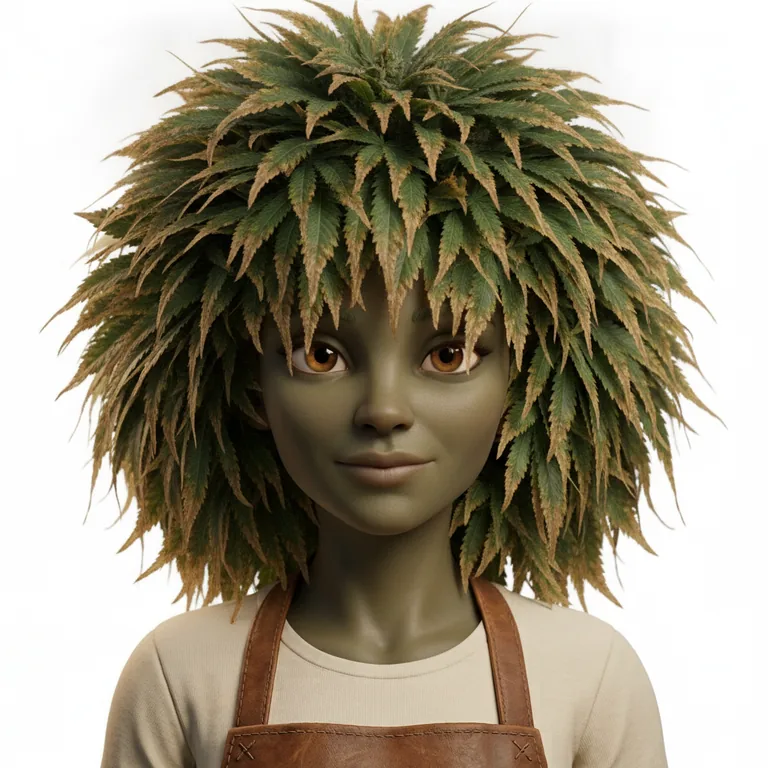
“My tips got a little crispy. I think I had one feed too many!”
Where it shows
Leaf tips, across the whole plant.
What it looks like
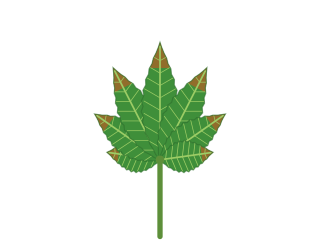
The pointed tip of each leaflet burns crisp yellow-brown while the edges between tips stay green. Leaves are unnaturally dark and glossy, clawing downward.
How to confirm it
- Check the pointed tips of leaflets across the whole plant.
- Tips burn crisp yellow-brown.
- The edges between tips stay green.
- Leaves look unusually dark and glossy.
- Leaves can claw downward.
Why it happens
Too much fertilizer, or the right amount applied to dry soil. Salt index matters as much as quantity: urea and muriate of potash burn at rates that would be harmless from a meal.
- Too much fertilizer for the plant's size or stage.
- Feeding a bone-dry pot, which concentrates the salts at the roots.
- High-salt products such as urea or muriate of potash, which burn at rates that would be harmless from a meal.
- Salt buildup over many feeds without enough runoff.
How to fix it
- Flush with plain pH-adjusted water, then resume at half strength.
- Never feed a bone-dry pot. Water first, feed second.
- Burned tissue does not recover. Judge the fix by whether NEW growth comes in clean.
- Flush with plain, pH-adjusted water: 6.2 to 6.8 for soil, 5.8 to 6.2 for coco or hydro.
- Let the pot dry back to normal after the flush.
- Resume feeding at half strength.
- Never feed a bone-dry pot. Water first, then feed.
- Judge the fix by new growth. Burned tips do not recover.
Organic options
Plain water flush
Run plain, pH-adjusted water through the pot to wash out excess salts, then let it dry back.
Worm castings
A mild top dress with low burn risk. Use it in place of strong feeds while the plant recovers.
Slow-release meals
Meals like alfalfa or feather meal release nutrients gradually and have a lower burn risk than high-salt liquids.
Compost-based soil
Rich, living soil buffers feeding mistakes better than bare, inert media.
Read and follow every product label. Organic friendly does not mean certified organic; check the listing if that matters to you.
Veg or flower?
Seedlings and young plants burn most easily. In late flower, needs fall and burn often shows if feeding stays heavy.
Don't confuse it with potassium deficiency
Burn is tip-only, with green edges between the tips. Potassium scorches a continuous band around the whole margin. Read the potassium deficiency page.
Prevent it next time
- Start at half the label rate and increase only if the plant asks for it.
- Water before feeding if the pot is dry.
- Allow some runoff to prevent salt buildup.
- Log every feed so you can spot a pattern.
- Feed less in the final weeks of flower.
Questions growers ask
Will burned leaf tips heal?
No. Burned tissue does not recover. Judge your fix by whether new growth comes in clean.
Should I flush my plant for nutrient burn?
A flush with plain, pH-adjusted water clears excess salts. Then resume feeding at half strength.
How do I tell nutrient burn from potassium deficiency?
Burn affects only the tips, with green edges between them (early potassium can start there too). Potassium scorches a continuous band around the whole leaf edge.
Where these figures come from
These points match published grow books, page by page. They are grower practice, not research: none of these books cites a study, so where science and the books differ, this page follows the science.
- Start at half the label rate. Green (2001), p. 196 to 197. Paull and Zetta (2020), e-book p. 119 to 120; e-book p. 49. Danko (2018), e-book p. 29.
- Seedlings and young plants burn most easily. Green (2001), p. 105. Danko (2018), e-book p. 54 to 55. Paull and Zetta (2020), e-book p. 40 to 41.
- Tips of leaflets across the whole plant burn crisp yellow-brown; edges between stay green. Danko (2018), e-book p. 29; e-book p. 90 to 91; e-book p. 108. Green (2001), p. 328 to 329.
- Flush with plain pH-adjusted water, then resume at half strength. Danko (2018), e-book p. 29; e-book p. 90 to 91. Green (2001), p. 187; p. 196 to 197.
- Feed less in the final weeks of flower. Danko (2018), e-book p. 110 to 111. Paull and Zetta (2020), e-book p. 17; e-book p. 70.
Books: Danko, Cannabis: A Beginner's Guide to Growing Marijuana (Hampton Roads, 2018); Green, The Cannabis Grow Bible (4th ed., 2001); Paull and Zetta, Foolproof Guide to Growing Cannabis (2020) and The Cannabis Grow Bible (2020).
Related problems
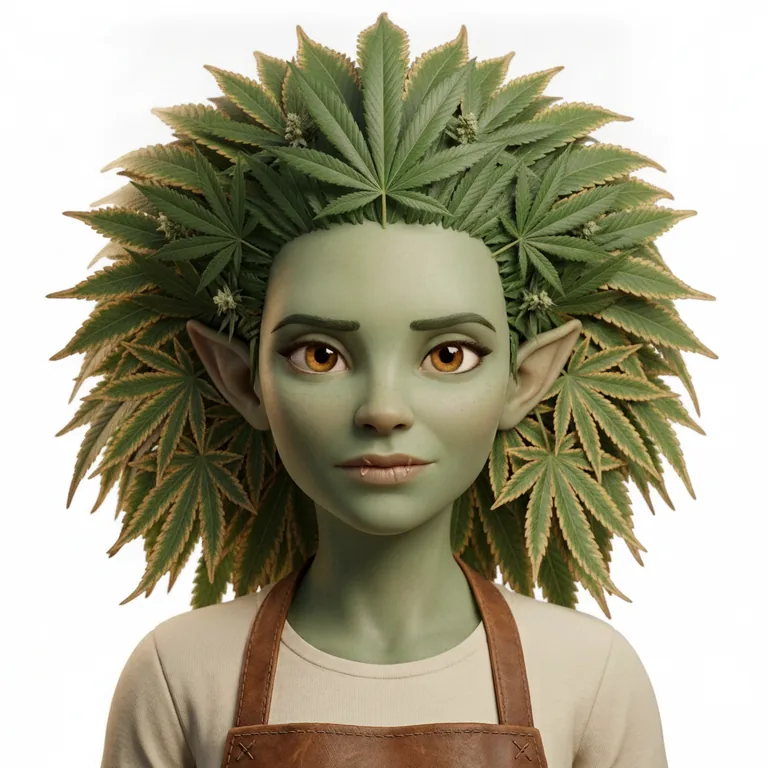 Potassium deficiencyLower leaves, around the whole outer edge.
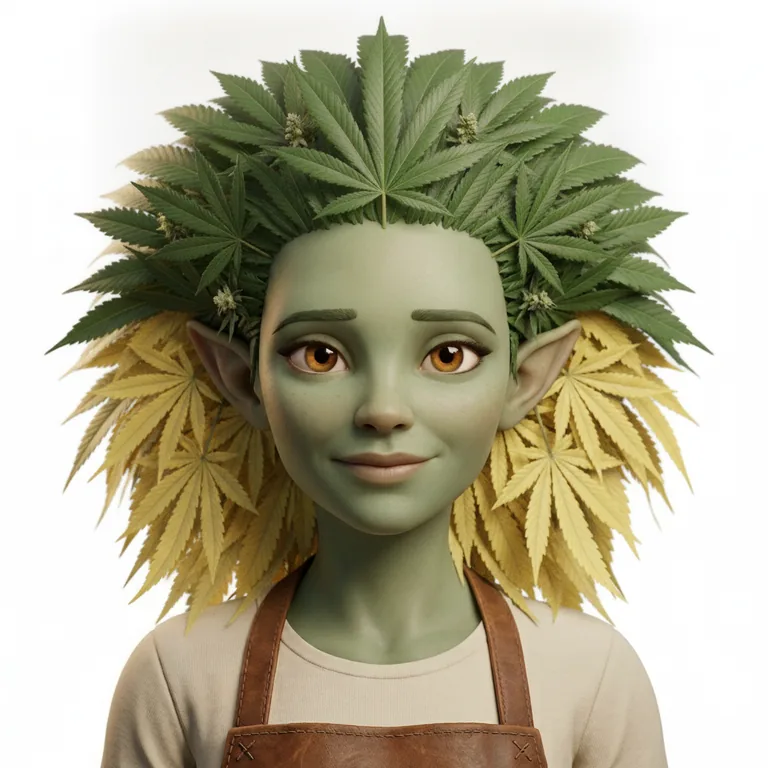 Nitrogen deficiencyOldest, lowest leaves first, working upward.
 UnderwateredThe whole plant droops.
Updated 2026-10-20. Written by the Canna GLAP team.